Growing the Growth
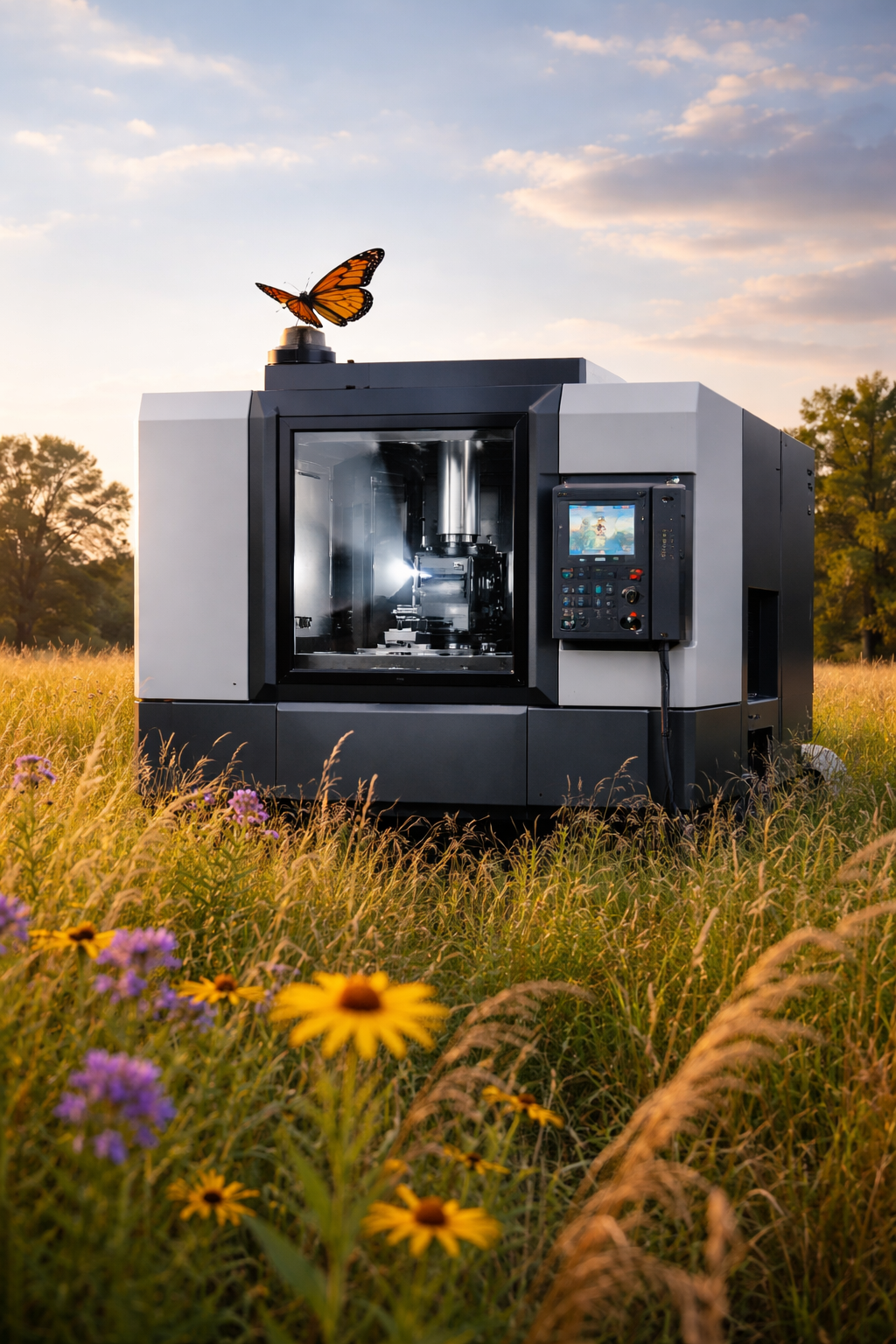
Growing County GDP: How Advanced Industry Strengthens the Entire Economy
When conversations about taxes begin, they often focus on cutting spending. Fiscal discipline is important. Taxpayers deserve transparency and responsible use of public dollars.
But cutting alone is not a long-term strategy for building strong communities.
The other half of the equation is economic growth. When a county grows its GDP (Gross Domestic Product), it expands the number of businesses, jobs, and investments contributing to the tax base. As the economic base grows, the financial responsibility of funding government services can be distributed across more entities instead of resting primarily on homeowners.
One of the most powerful ways counties can grow their GDP is by attracting and supporting advanced industrial manufacturing and Original Equipment Manufacturers (OEMs).
The Role of OEM Manufacturers
OEMs are companies that design and manufacture complex products that are sold globally or integrated into other systems. These companies typically require skilled labor, precision supply chains, and strong infrastructure.
Examples of OEM industries that build strong regional economies include:
Automotive and transportation manufacturers
Heavy equipment companies such as John Deere or Caterpillar suppliers
Aerospace manufacturers and component producers
Medical device manufacturers
Industrial machinery and robotics companies
Energy equipment manufacturers
When an OEM locates in a county, it rarely arrives alone. Instead, it creates an economic ecosystem.
The Supply Chain Effect
Large manufacturers depend on hundreds—sometimes thousands—of suppliers and service providers.
These include:
Metal fabricators
Precision machining companies
Industrial painting and finishing contractors
Tool and die manufacturers
Logistics and transportation firms
Packaging companies
Electronics suppliers
Maintenance and equipment repair companies
A single advanced manufacturer can support dozens of smaller businesses within its supply chain. Many of those businesses locate nearby to reduce transportation costs and improve coordination.
This creates a cluster of economic activity that strengthens the entire region.
The Layered Business Ecosystem
The impact does not stop with the supply chain.
When advanced manufacturing grows in a region, additional layers of businesses benefit.
Professional Services
Engineering firms
Industrial architects and construction companies
Legal firms specializing in corporate and intellectual property law
Financial services and banking
Insurance providers
Workforce Development
Trade schools and apprenticeship programs
Technical training institutes
Community college partnerships
Internship programs connecting students to manufacturers
Support Businesses
Restaurants and retail serving workers
Housing development for employees and families
Healthcare services
Transportation and infrastructure improvements
Home Services (landscape, HVAC, plumbing, roofing)
Wellness providers including all fitness verticals
What begins as a single industrial employer often becomes an entire economic network that supports thousands of jobs and businesses.
Protecting What Makes a Community Special
There is another important benefit that often goes overlooked.
When companies partner thoughtfully with local governments, economic growth can help protect the open spaces and natural landscapes that make a community special.
Counties like those across Northern Illinois are blessed with extraordinary farmland, prairies, wetlands, and wildlife habitats. These landscapes are not only beautiful; they are also valuable ecological systems that support biodiversity, agriculture, and quality of life.
A strong local economy makes it possible to plan development wisely. When economic activity is concentrated in appropriate industrial and commercial areas—such as transportation corridors or established business zones—it can reduce pressure on sensitive land.
In many cases, companies work alongside local governments to preserve natural areas, maintain environmental standards, and support conservation initiatives. Through thoughtful planning, economic growth and environmental stewardship can coexist.
The result is a community where thriving businesses and preserved open spaces exist side by side—protecting the living animals, vegetation, and landscapes that make a region unique.
Why This Matters for Taxpayers
When a county’s economic ecosystem grows, the tax base grows with it.
Commercial and industrial property contributes to property taxes. Businesses generate sales taxes. Employees generate economic activity that supports local commerce and services.
As more entities participate in the economy, the cost of maintaining public services can be distributed more broadly.
This is why growing GDP matters so much for local government. A strong economy makes it possible to fund necessary services without placing an increasing burden on homeowners.
Respect for Public Professionals
Another important part of this conversation is recognizing the role of public professionals.
The people who work in county government—planners, engineers, public works leaders, economic development teams, and public safety professionals—manage complex systems that support this growth. They evaluate infrastructure capacity, manage permitting processes, plan transportation systems, and ensure that development happens responsibly.
These professionals are not obstacles to progress. When engaged effectively, they are partners in building a well-functioning local economy.
Treating them with respect and working collaboratively helps communities move forward with clarity and purpose.
Building the Future
Counties that succeed economically understand something important: growth does not happen by accident.
It requires thoughtful land use planning, support for advanced manufacturing, investment in workforce training, and policies that welcome businesses while protecting the character of the community.
When these pieces come together, the result is an economic ecosystem that supports families, strengthens local businesses, preserves natural landscapes, and distributes the cost of government more fairly across a growing base.
Growing the economy is not just about increasing numbers on a spreadsheet.
It is about building a community where opportunity expands, businesses succeed, open spaces are protected, and the responsibility of supporting public services is shared more broadly by a thriving local economy.